

Neurofeedback in Chiang Mai Using QEEG Brain Mapping and Z-Score Training
13+ Years of QEEG-Guided Neurofeedback Experience
Why Choose QEEG-Guided Neurofeedback?
- Data-driven (not symptom-based)
- Individualized protocols
- 10+ years clinical experience
- Objective progress tracking
Our Neurofeedback Process
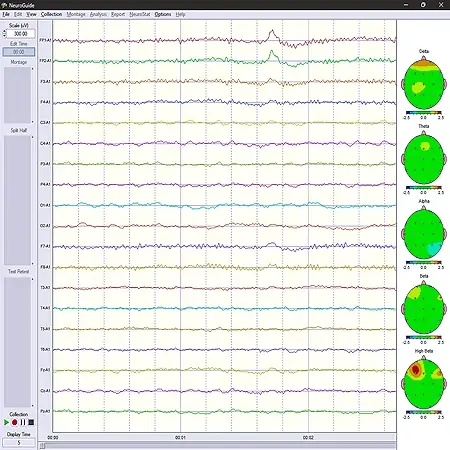
Step 1 – QEEG Brain Mapping
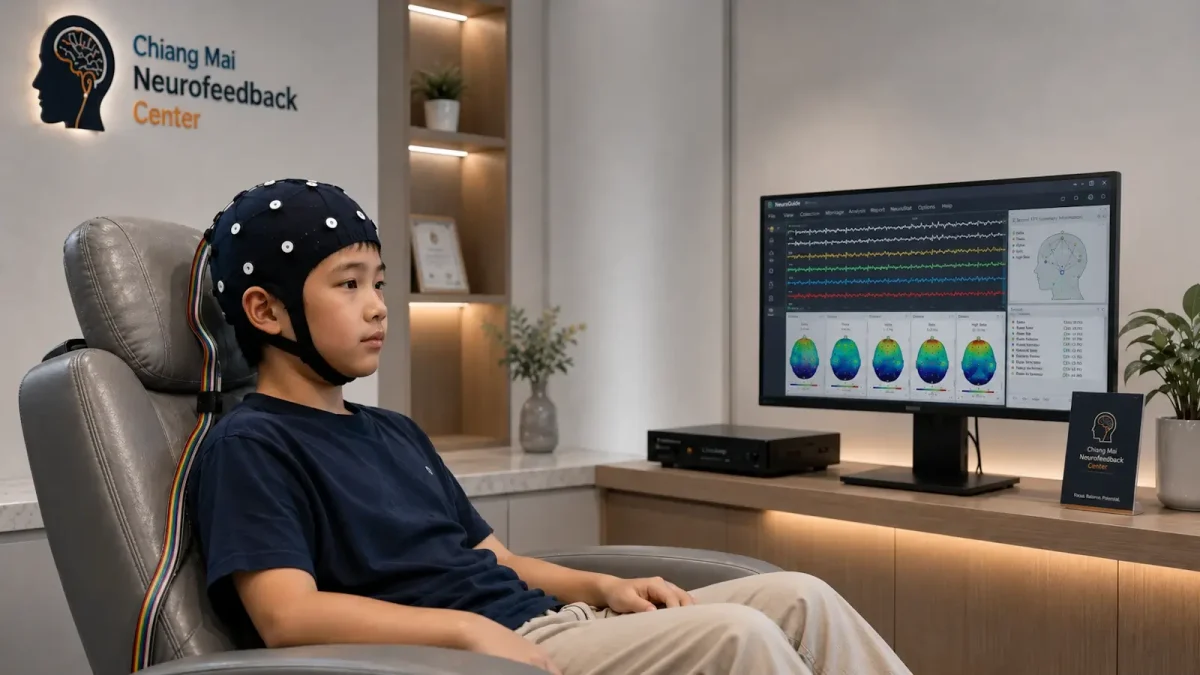
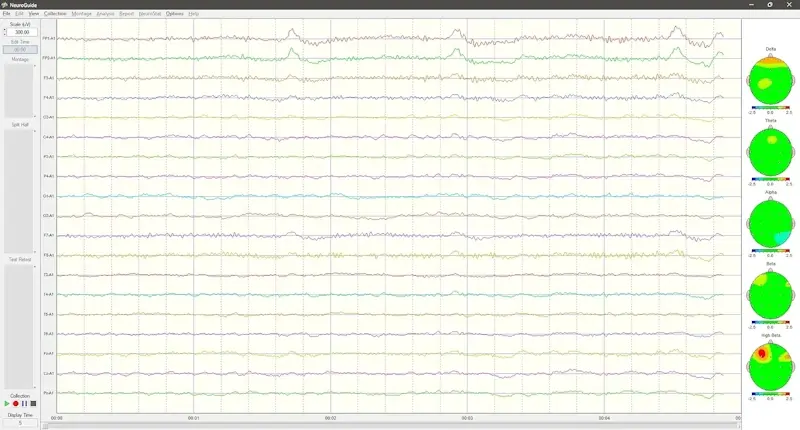
We perform a full 19-channel EEG recording and compare your data to a validated normative database. This identifies deviations in brain activity, including connectivity and timing abnormalities across networks.
Step 2 – Data Analysis & Protocol Design
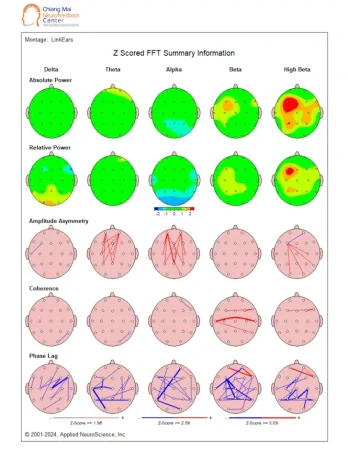
We analyze Z-scores across power, coherence, asymmetry, and phase metrics to determine the underlying drivers of your symptoms. Your protocol is built from this data — not predefined templates.
Step 3 – Real-Time Neurofeedback Training
During sessions, your brain receives immediate feedback based on its activity. The system reinforces more optimal patterns, guiding self-regulation at the neural level.
Step 4 – Progress Tracking & Adjustment
We monitor changes using both symptom tracking and follow-up QEEG where appropriate, refining the protocol to ensure continued improvement.
Neurofeedback Insights & Research


What to Expect from Neurofeedback
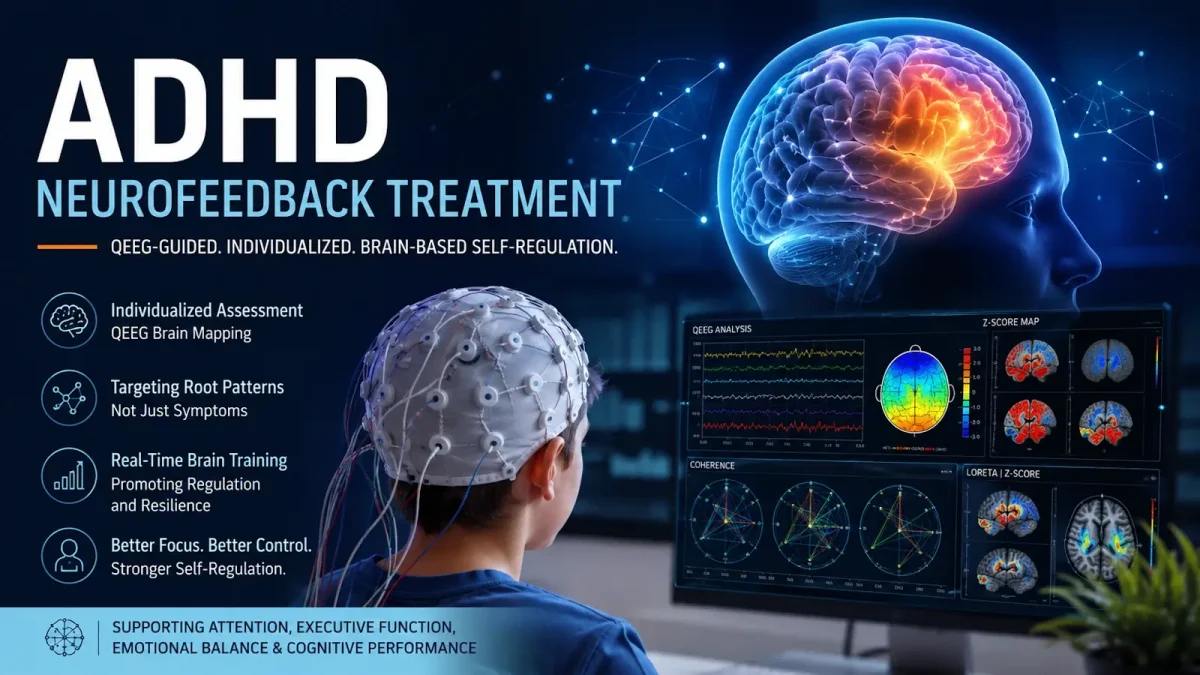
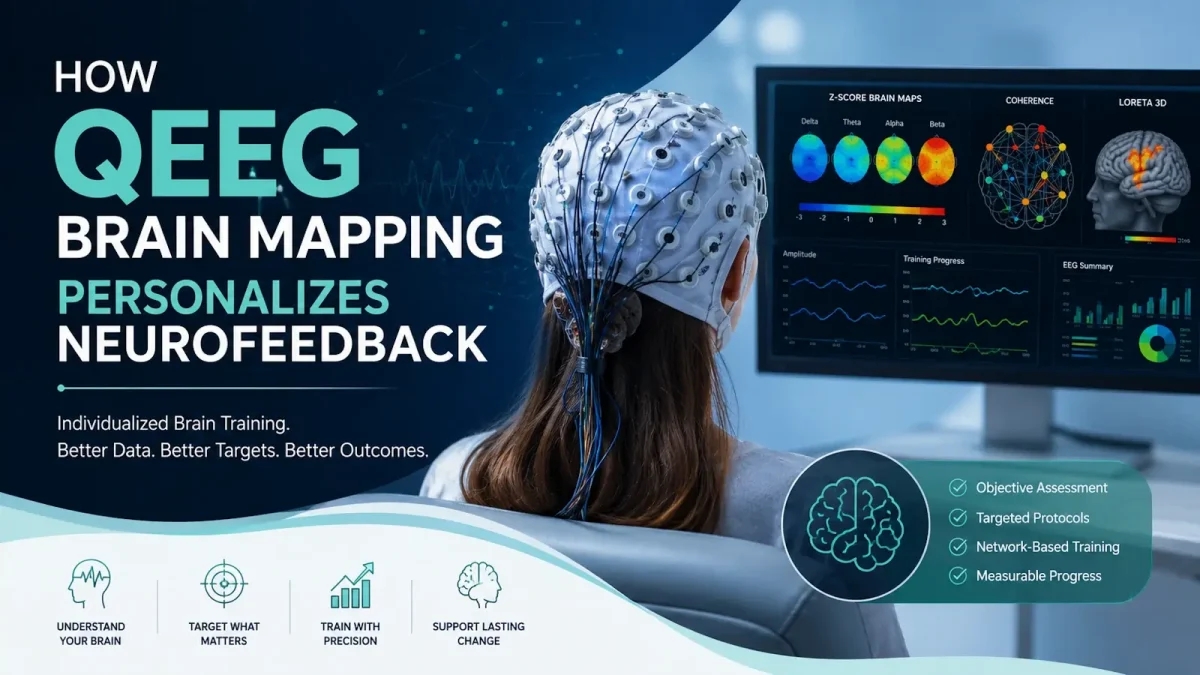
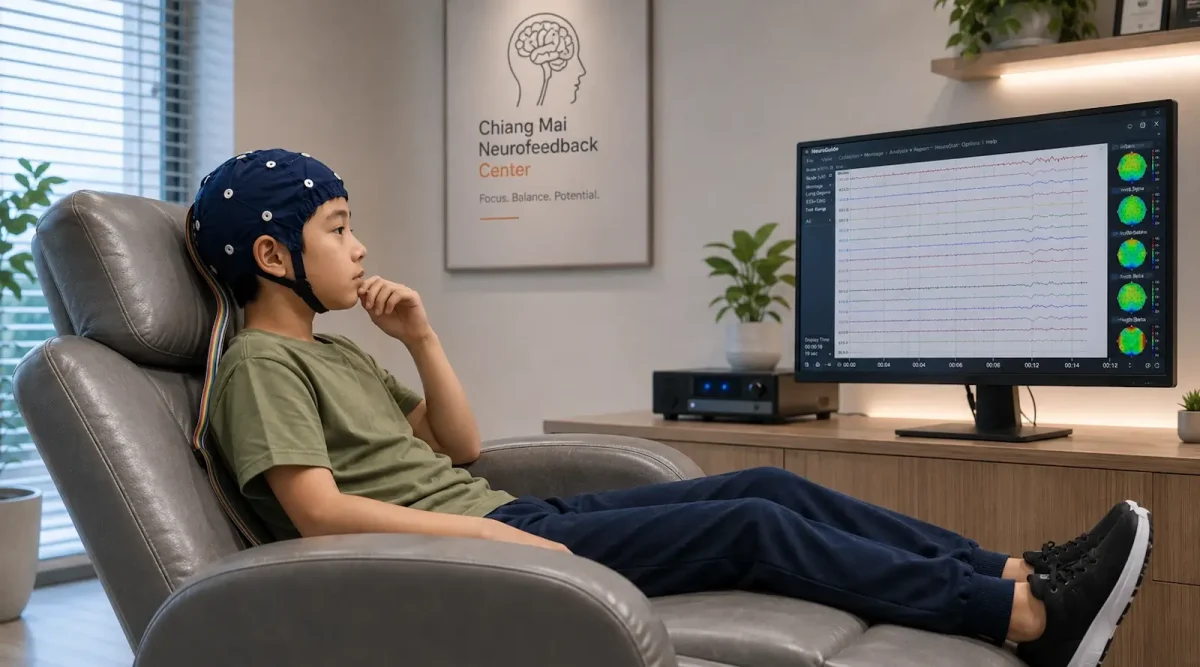
Your first visit includes a full QEEG brain mapping assessment, typically requiring 10 minutes of recording. We then generate a detailed analysis identifying key areas of dysregulation and neurofeedback training protcol.
Neurofeedback training is non-invasive and requires no medication. Sessions typically last 30–45 minutes.
Most clients complete between 20–40 sessions depending on goals and baseline brain patterns. Some individuals notice early changes in sleep, focus, or emotional stability within the first 5–10 sessions, while deeper regulation develops progressively.
About Chiang Mai Neurofeedback Center
Chiang Mai Neurofeedback Center specializes in advanced QEEG-guided neurofeedback using clinically validated methods, including Z-score training and network-based analysis.
We work with both children and adults, addressing conditions such as attention difficulties, anxiety, emotional dysregulation, sleep issues, and cognitive performance challenges.
Our approach focuses on measurable brain function — identifying and correcting underlying dysregulation rather than masking symptoms.
Located in Chiang Mai, Thailand, we provide a structured and cost-effective environment for intensive neurofeedback training.
Why Chiang Mai, Thailand for Neurofeedback?
Chiang Mai offers a structured, low-distraction environment ideal for intensive neurofeedback training, at significantly lower cost than Western clinics.
- Lower cost than US and Europe
- Quiet, low-distraction environment
- Ideal for intensive training programs
- Convenient for international clients
Many clients choose Chiang Mai to complete focused neurofeedback training in a shorter time frame.
How Neurofeedback Works
Neurofeedback is a form of operant conditioning applied to brain activity. Your brain receives real-time feedback about its electrical patterns and learns to shift toward more stable and efficient functioning.
Unlike medication, neurofeedback does not impose changes externally. Instead, it trains the brain to self-regulate.
QEEG-guided neurofeedback targets specific abnormalities, including:
- Excess or deficient brainwave activity
- Connectivity imbalances between regions
- Timing disruptions in neural communication
Over time, these changes can improve attention, emotional regulation, sleep, and cognitive performance.
Functional Areas Often Associated With Brain Regulation
- Attention regulation
- Executive functioning
- Learning efficiency
- Memory processing
- Mental fatigue
- Stress regulation
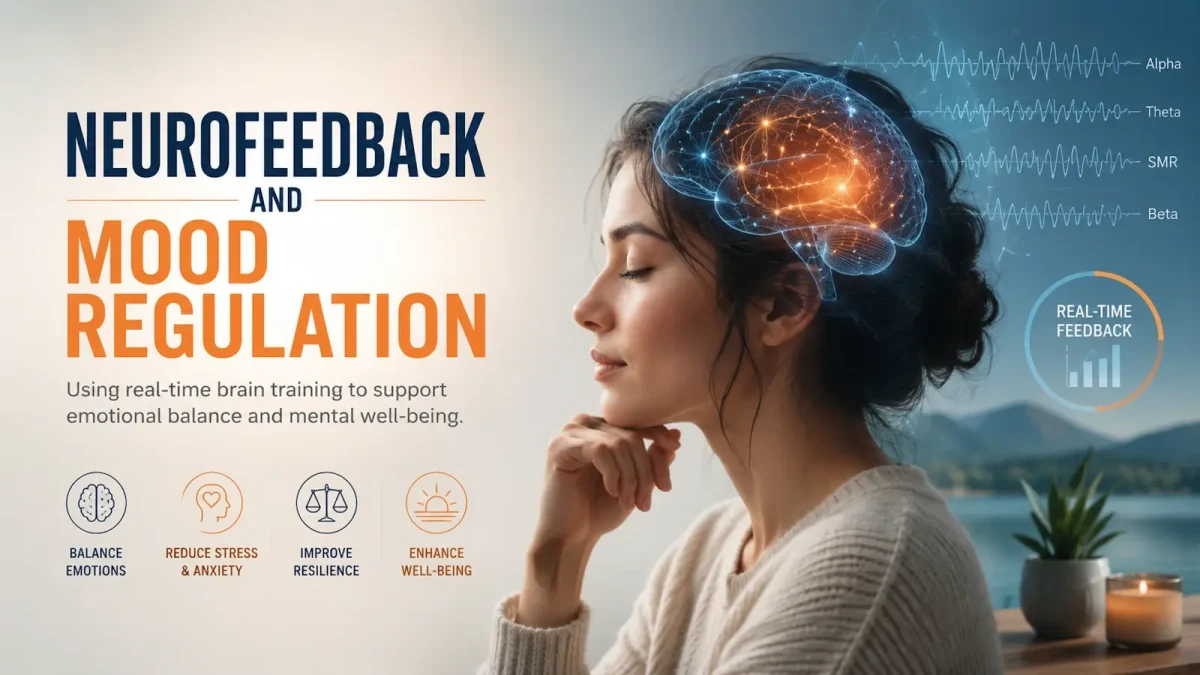
- Emotional and stress regulation
- Emotional reactivity
- Hyperarousal
- Nervous system stability
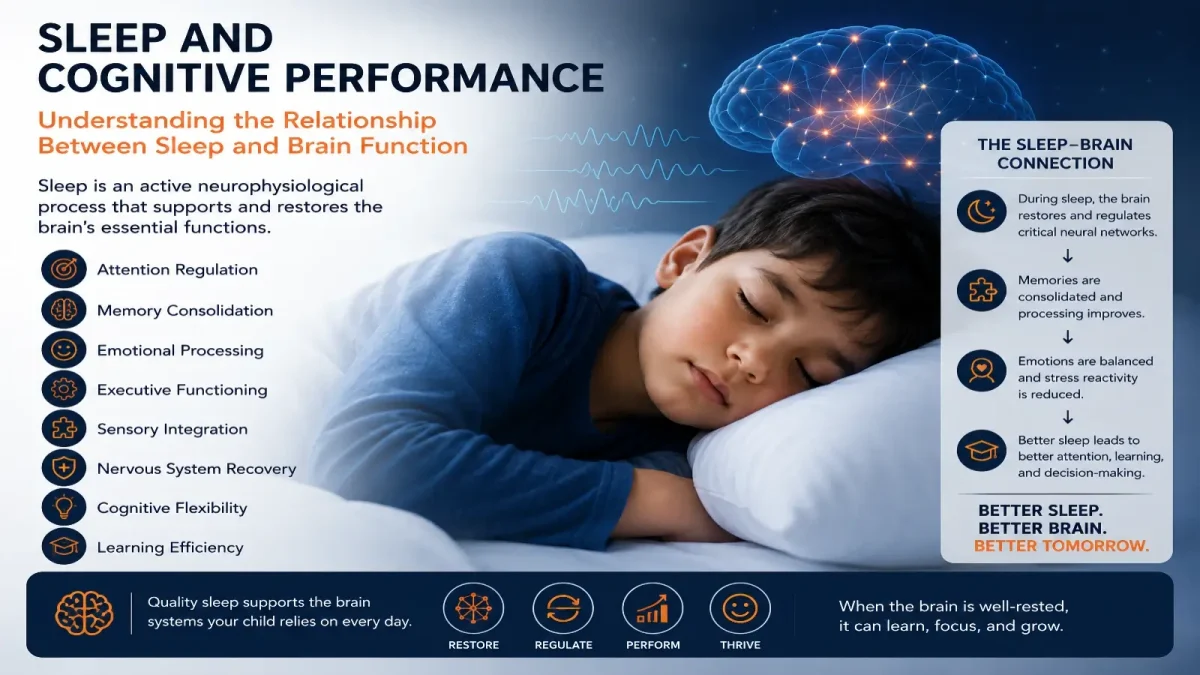
- Sleep regulation
- Migraines
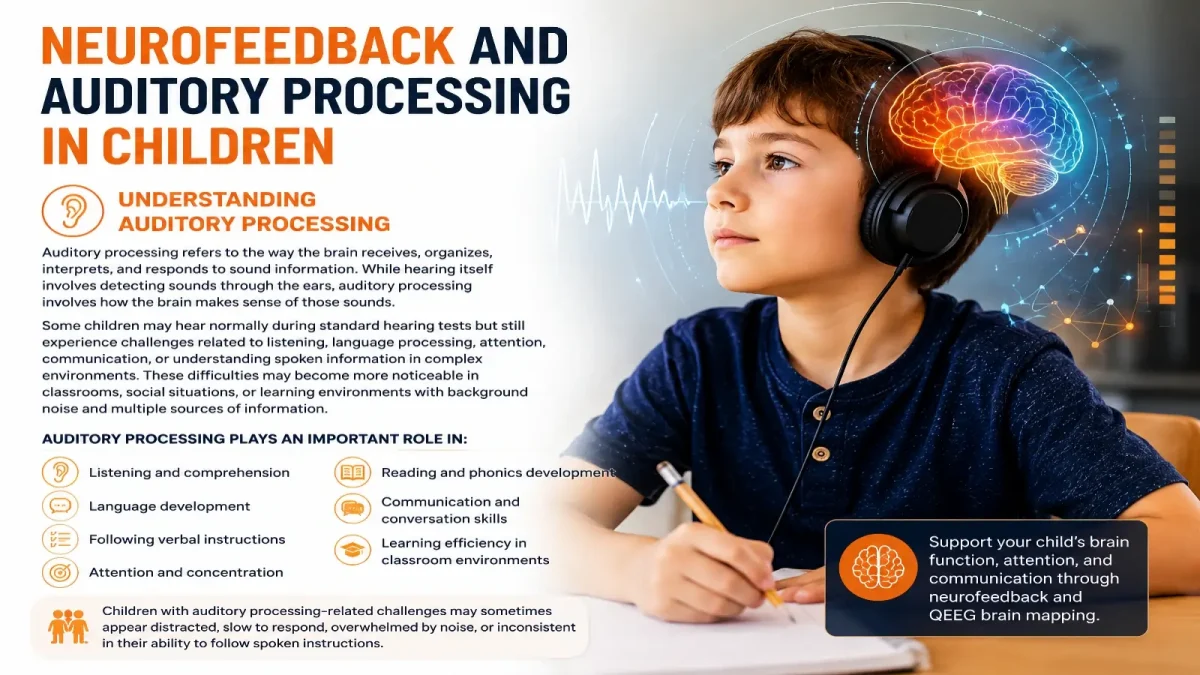
- Sensory processing
- Cognitive recovery support
- Cognitive rehabilitation support
Because every individual presents with unique neurophysiological patterns, modern neurofeedback approaches increasingly emphasize objective assessment and individualized protocol design.
WHAT IS NEUROFEEDBACK ?
Neurofeedback is a brain training method that improves self-regulation by providing real-time feedback on brain activity.
Read-more ...
BRAIN REGULATION
The brain functions through electrical patterns. Neurofeedback helps stabilize and optimize these patterns..
Read-more ...
HOW IT WORKS?
Sensors measure brain activity, and feedback guides the brain toward more efficient functioning.
Read-more ...
BRAIN MAPPING (QEEG)
QEEG identifies specific dysregulation patterns by comparing your brain to normative data.
Read-more ...
WHAT NEUROFEEDBACK CAN DO ?
It can improve attention, emotional control, sleep, and cognitive performance.
Read-more ...
WHY CHOOSE QEEG-BASED TRAINING ?
Data-driven protocols are more precise and effective than symptom-based approaches.
Read-more ...